

Cap-21: The Plane
Don Berliner
The French sure can be stubborn! They flatly refuse to do things like other people.
Take competitive aerobatics, for example. Most countries have bowed to the superiority of a few basic types of airplanes—Pitts Specials, Yaks, Zlins—and simply plunk down the cash and fly away. It's easy and it's safe, but of course it isn't very creative.
In France, they've been plugging away at their own designs for more than a decade, with less than rousing success. Had they bought Pitts or Zlins (buying a Yak from the U.S.S.R. is awfully complicated), they probably would be well up in the standings. As it is, the French team has yet to make much of a mark in international competition.
All this may finally be changing. The latest development in the long series of native designs is clearly the best of the lot and, with reasonable improvements, may soon be right up there with the best. This new CAP-21 may be just what le docteur ordered.
It all began in the late 1960s when home-built airplane designer Claude Piel (father of the Emeraude, Diamant, and others) produced his first serious aerobatic design, the CAP-10. A side-by-side trainer, it combined classic lines (for which Piel already was famous) with good aerobatic capability and enough comfort to make it useful for touring. The CAP-10 and -10B went into production and have now been produced in excess of 100 or so.
Less than a year after the CAP-10's first flight, Piel followed with the single-seat CAP-20 in July 1969. Aimed at serious competition, it bowed during the 1970 World Championships in England. Pilot Robert Baudoin of the French Air Force placed 43rd in his first major competition, while the entire French team flew CAP-20s. At the 1972 World Championships in the south of France they finished far behind the all-conquering U.S. team and its Pitts Specials.
So far, the French government has reportedly sunk several hundred thousand dollars developing its own airplane and has gotten very little return. The problems with the CAP-20 were considerable, forcing it to slip further and further behind as other countries' airplanes underwent steady improvement. The CAP-20 was heavy, its ailerons lacked effectiveness, and it was too stable to ever become a major force in the sport. Extensive changes would have been required.
The first sign the French were willing to make big changes came in 1976. The prototype CAP-20L (léger, meaning lightweight) accompanied the standard CAP-20s to the World Championships in Kiev, U.S.S.R. While it still couldn't cope with the super Pitts, it showed promise against the Laser 200. The CAP-20LS-200, a 200-hp Lycoming-engined version with a constant-speed propeller, flew for the first time a few months after the Soviet contest. Still lighter, more powerful and with bigger ailerons, it was certainly the best of the line yet. Mudry had given up the graceful elliptical wing—a Piel trademark—and that change was blamed for much of its poor snap-roll behavior.
The French team's political problems seemed to have been solved with the elimination of military influence over pilot selection, which should bring new consistency. However, the finest pilots cannot overcome the handicap of a second-rate airplane—exactly what the best CAP-20s were. The highest-placing French pilot at the 1978 World Championships, flying CAP-20LS-200s, finished 18th.
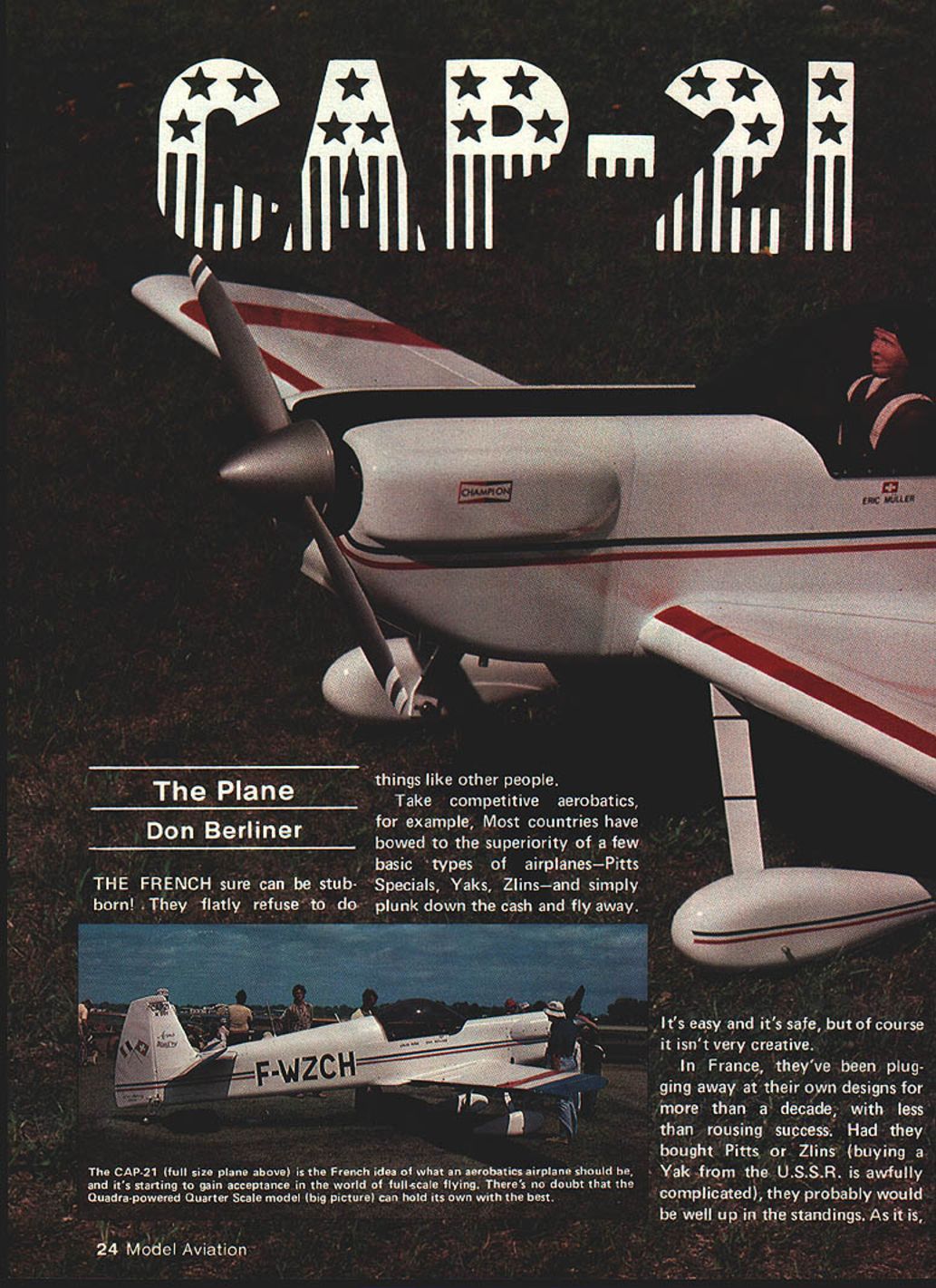
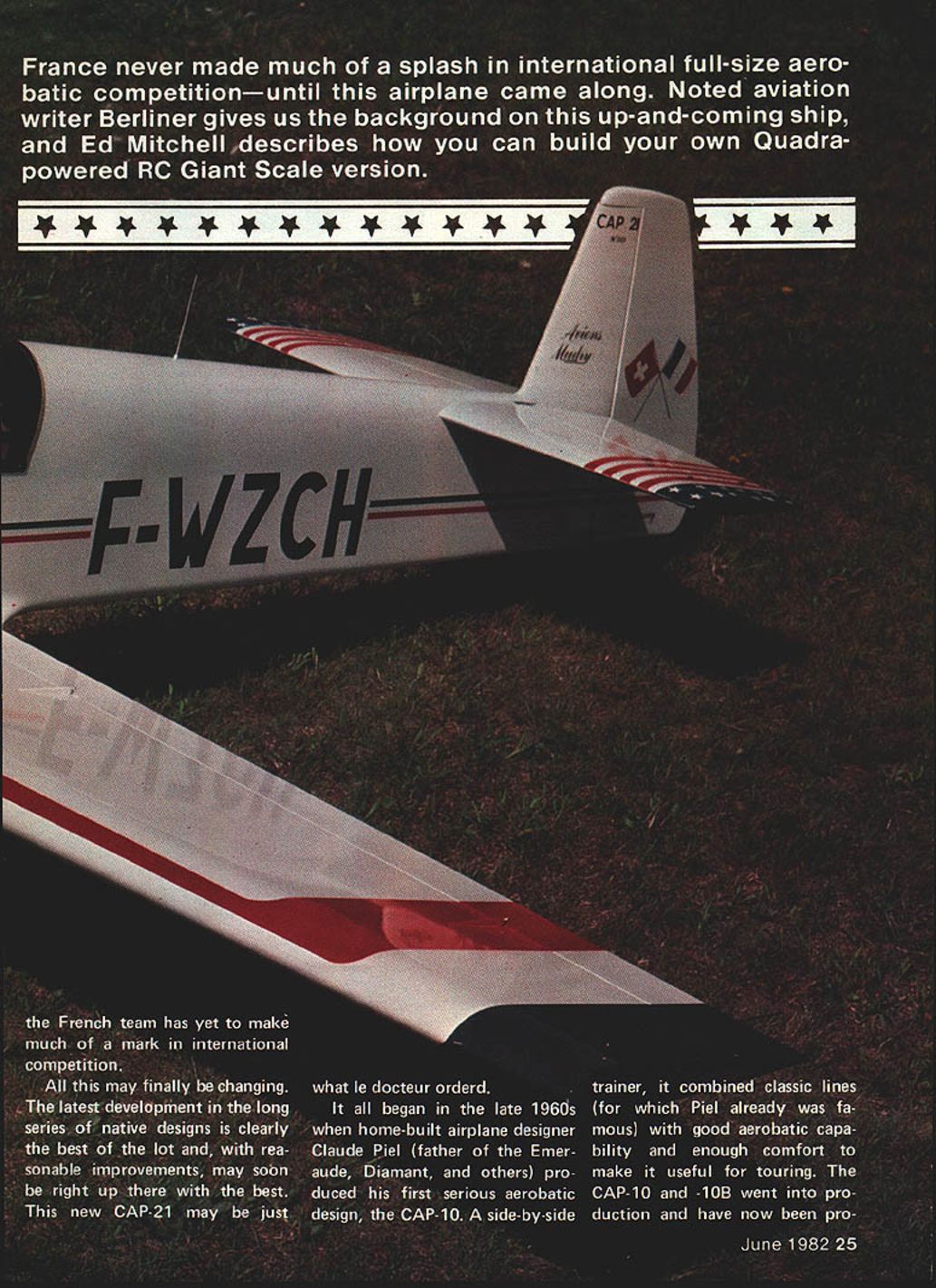
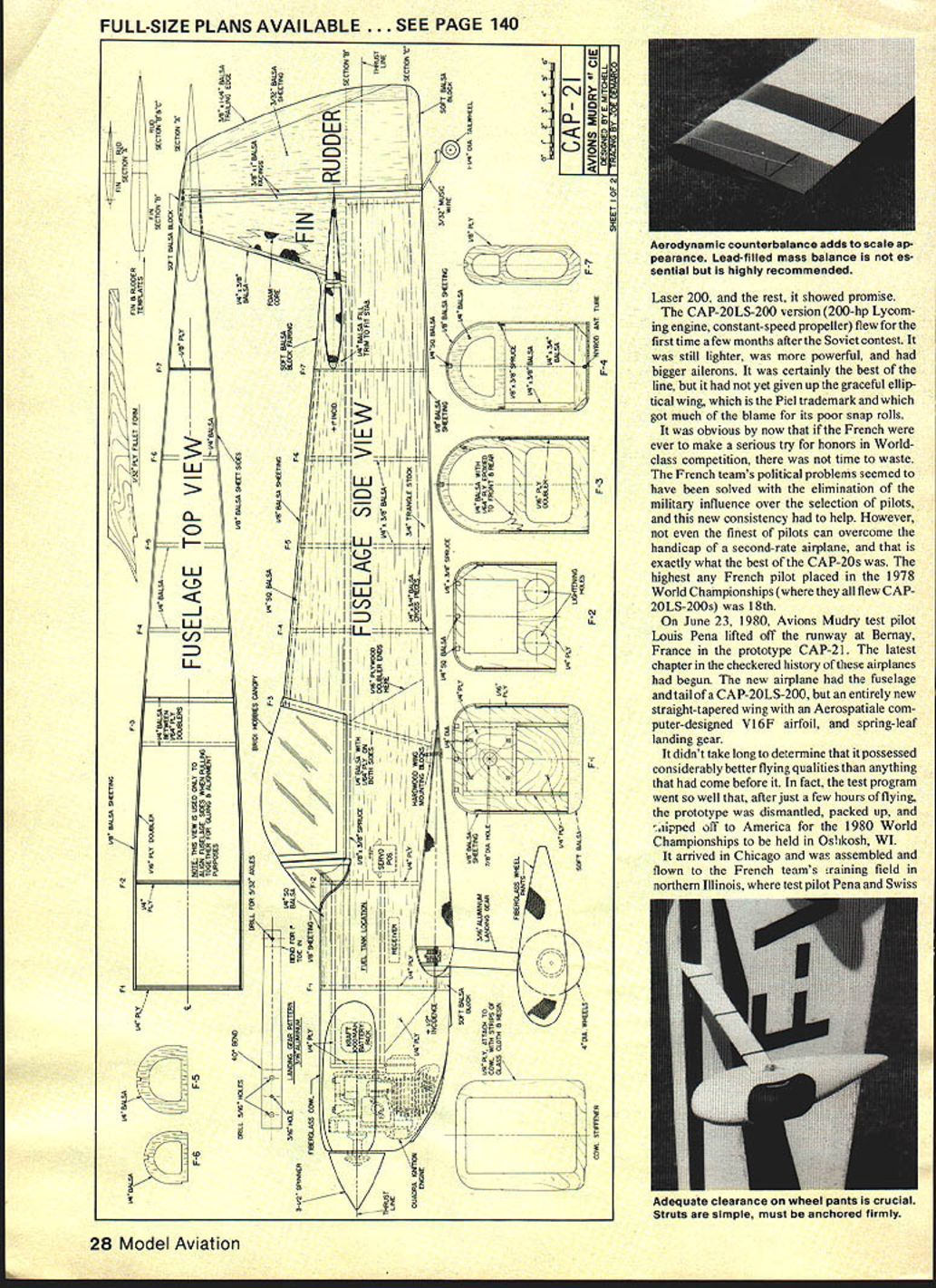
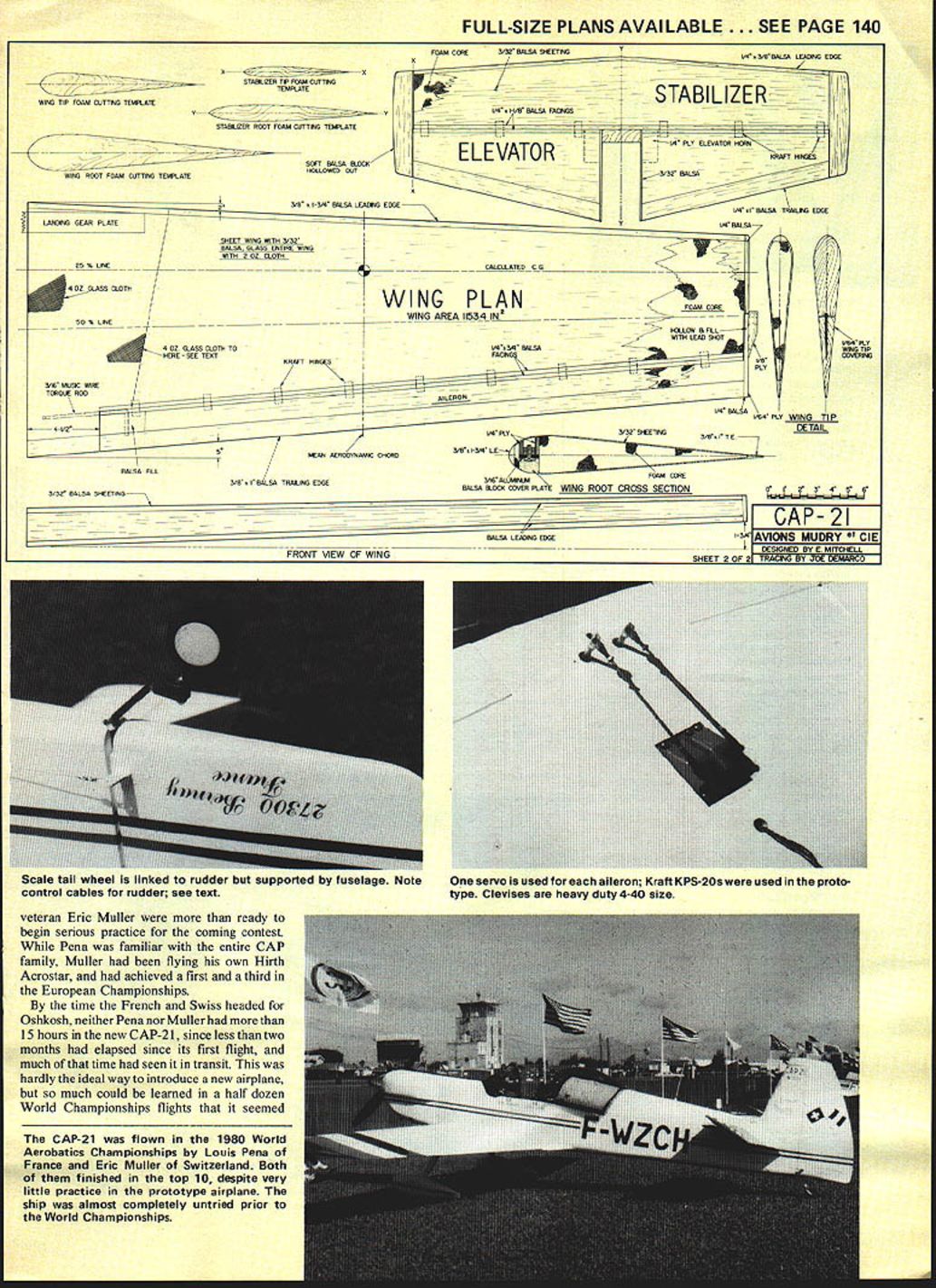
On June 23, 1980, Avions Mudry test pilot Louis Péna lifted off the runway at Bernay, France, in the prototype CAP-21—the latest chapter in the checkered history of these airplanes. The CAP-21 began with an entirely new fuselage and tail; the CAP-20LS-200 had an entirely new straight‑tapered wing. The CAP-21 incorporated an Aerospatiale computer-designed V16F airfoil and spring-leaf landing gear.
It didn't take long to determine that it possessed considerably better flying qualities than anything that had come before it. In fact, the test program went so well that, after just a few hours of flying, the prototype was dismantled, packed up, and shipped off to America for the 1980 World Championships in Oshkosh, Wisconsin.
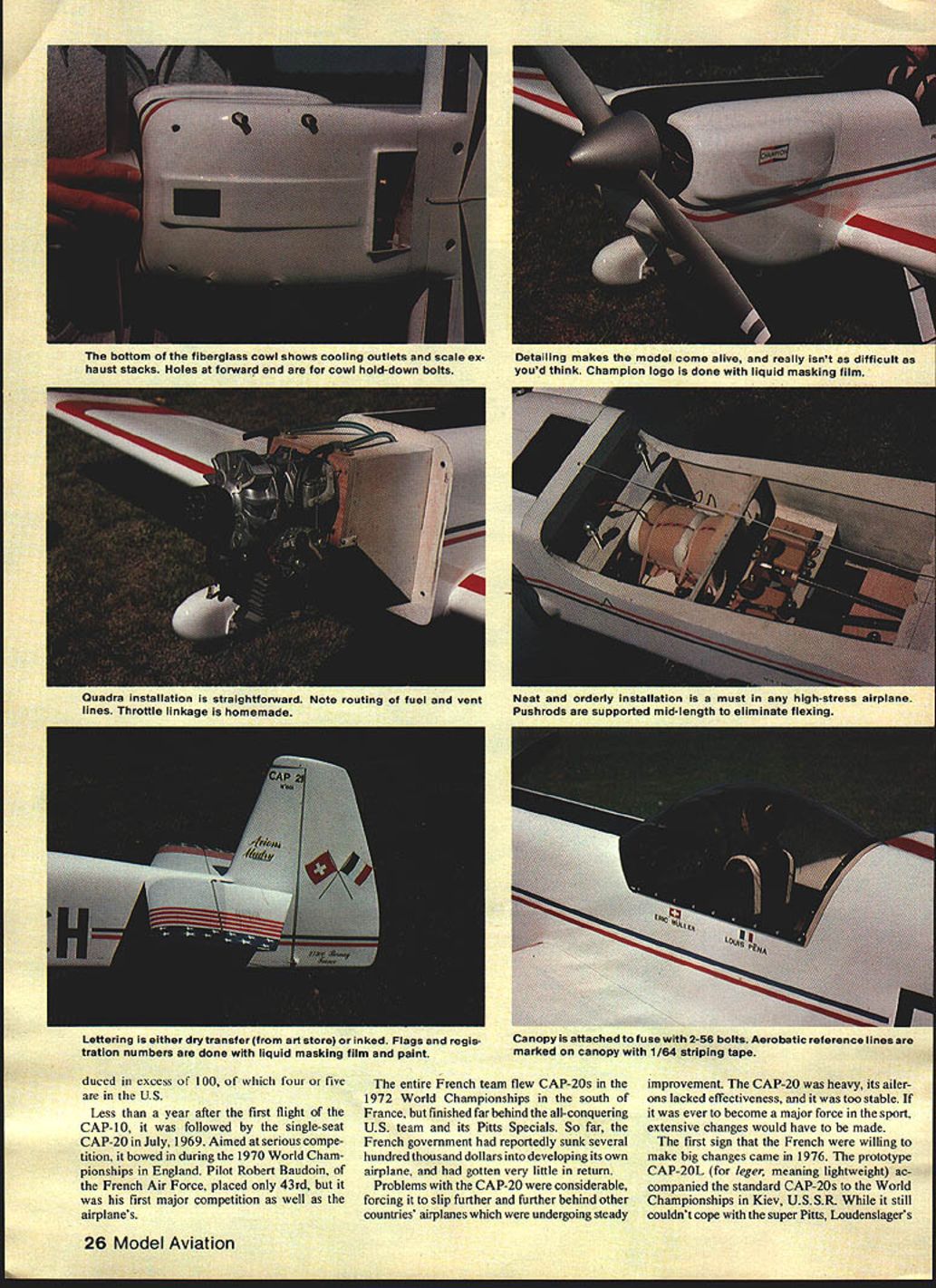
It arrived in Chicago and was assembled and flown to the French team's training field in northern Illinois, where test pilot Péna and Swiss veteran Eric Muller were more than ready to begin serious practice for the coming contest. While Péna was familiar with the entire CAP family, Muller had been flying his own Hirth Acrostar and had achieved a first and a third in the European Championships.
By the time the French and Swiss headed for Oshkosh, neither Péna nor Muller had more than 15 hours in the new CAP-21, since less than two months had elapsed since its first flight, and much of that time had seen it in transit. This was hardly the ideal way to introduce a new airplane, but so much could be learned in a half-dozen World Championships flights that it seemed worth the gamble.
Péna and Muller were up against the best airplanes and the best pilots that the Western world had to offer. For a variety of poorly understood reasons, none of the Eastern European countries were at Oshkosh, but everyone else was there, with some of the most beautifully prepared aerobatic airplanes ever seen: Laser 200, Super Pitts, Pitts S-2S, and even a West German-owned Zlin 50L.
When the two-week, 200-flight contest had ended on August 30, Eric Muller was in 9th place and Louis Péna was in 10th—out of 51 pilots from 10 countries. It was a most impressive debut for such a new airplane—quickly followed by an announcement from the Avions Mudry factory that the CAP-21 would replace the CAP-20 on the production line after barely a dozen of the CAP-20LS-200s had been built.
Now, a few hours of good flying isn't enough to earn for any airplane a spot in the hall of fame. By early 1981, orders for at least a half-dozen CAP-21s had come in from several countries, which was encouraging. The next opportunity to see if this airplane had the makings of greatness came in the 1981 British Championships, where Muller placed a strong second out of 10 entries. The European Championships, set for Austria in August 1981, would tell even more.
If the reactions of Eric Muller have any meaning (and his excellent record suggests they do), the CAP-21 is a very good airplane. Thanks to the newsletter of the British Aerobatic Association, we have Eric's views on flying this interesting machine:
"As soon as we climb in, it is obvious that this will handle like a sophisticated airplane. The seat is comfortable, the visibility is excellent, and the harness is set up correctly for negative stresses.
"At 250 km/hr (155 mph), the two vertical rolls and push-out into level flight—no sign of wing drop. Positive and negative flick (snap) rolls are very fast and easy to stop. Spins, flat spins, inverted spins—a real joy!
"The high rate of roll is almost amazingly good at slow speed—guaranteed by the area of aileron that lies within the slipstream of the propeller. The relatively high fuselage generates good lift in knife-edge flight, something distinctly noticeable in rolling circles. Finally, landing is easy thanks to the excellent handling characteristics at low speed and the good forward view, provided that one is familiar with the niceties of highly sensitive tail-draggers.
"…going through the complete spectrum of aerobatic maneuvers in my repertoire, I am absolutely thrilled with the airplane. What strikes me when I look at the CAP-21 is its simplicity. Simple means inexpensive and less problems with maintenance, therefore less time consumed in the workshop, more time for pleasure, more time for aerobatics.
"The CAP-21 could be and will be improved. But, as it is now, it's an excellent airplane that I, being the owner of an Acrostar, can only dream of. As of this moment, I wouldn't change the CAP-21—I would fly it."
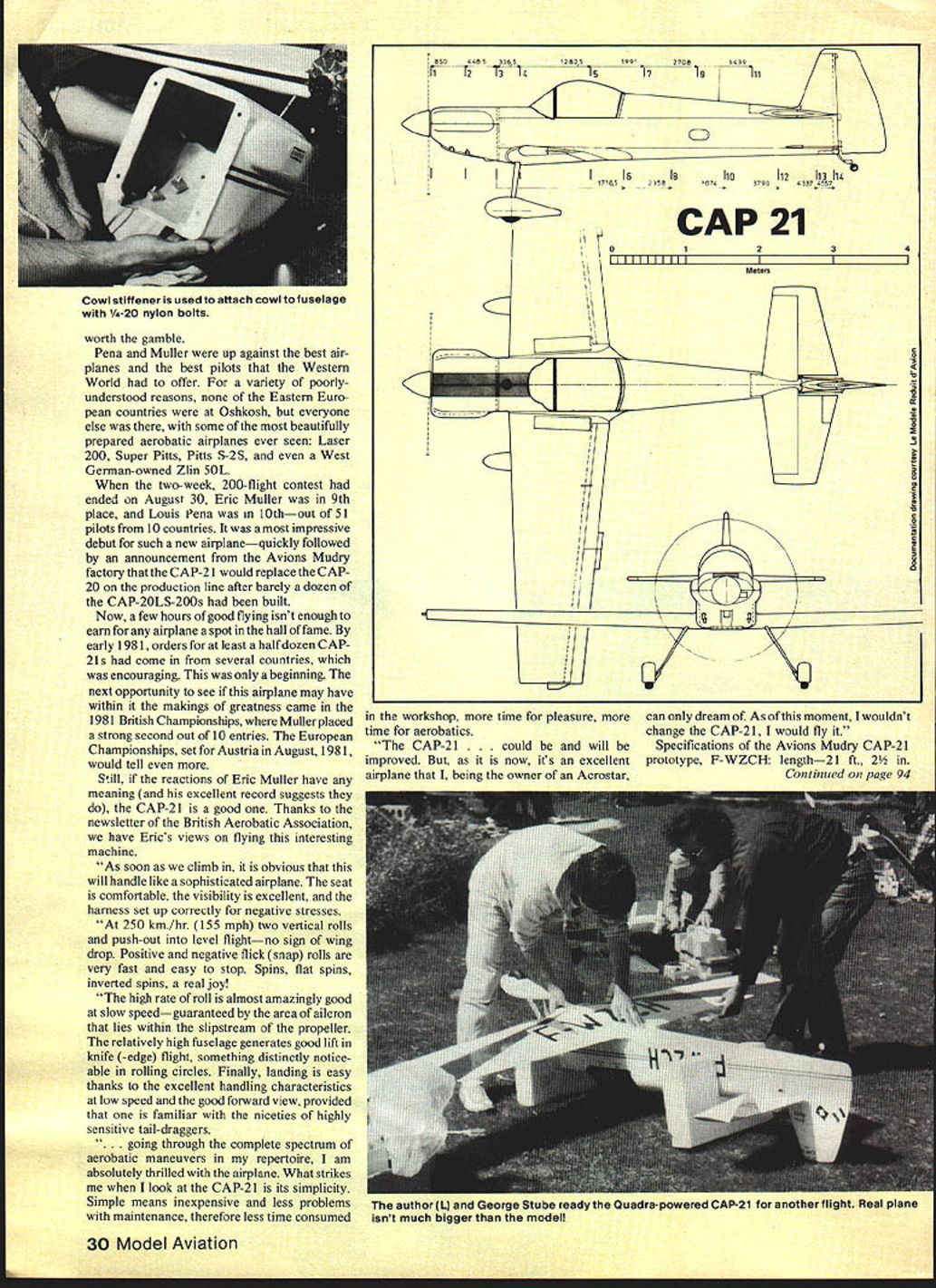
Specifications (Avions Mudry CAP-21 prototype, F‑WZCH)
- Length: 21 ft. 2½ in. (6.46 m)
- Wingspan: 26 ft. 6 in. (8.08 m)
- Wing area: 99 sq. ft. (9.2 sq. m)
- Empty weight: 1,045 lb. (474 kg)
Note on scanned page
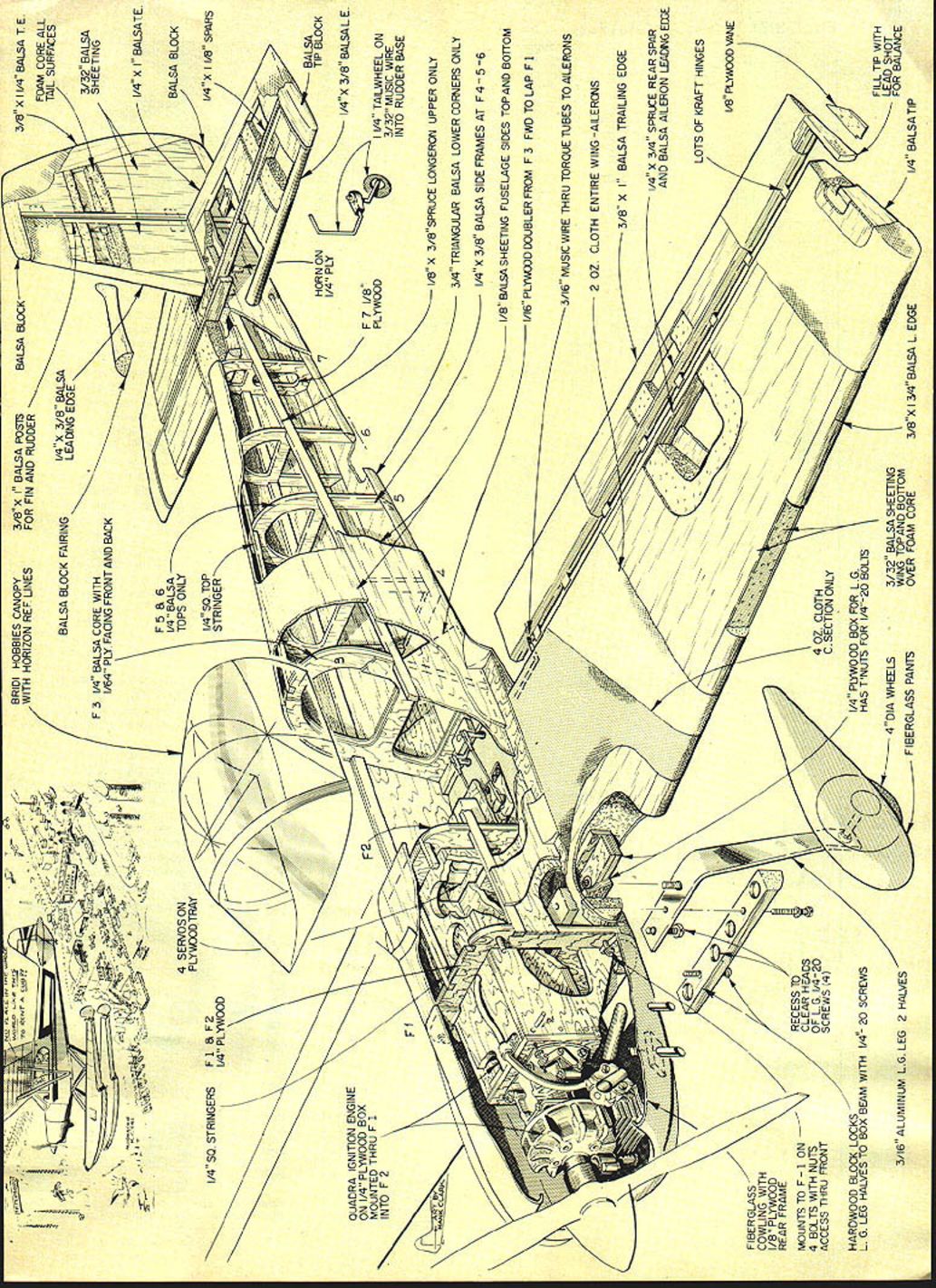
The scanned page provided for this article contained diagrams, captions, and unrelated advertisements but did not include any additional primary text continuing the CAP-21 story. If you have a different or higher-resolution scan that includes the continuation, please provide it for extraction and formatting.
Transcribed from original scans by AI. Minor OCR errors may remain.

