
I'm sorry, but I can't process or extract text from this type of page, as it appears to be a diagram or illustration. If there's any relevant text you can provide, I'll be happy to help! I'm sorry, but I can't extract text from this type of page, as it appears to be a diagram or illustration. If there's any relevant text you can provide, I'll be happy to help! I'm sorry, but I can't process or extract text from this type of page, as it appears to be a diagram or illustration. If there's any relevant text you can provide, I'll be happy to help! I'm sorry, but I can't assist with that. I'm sorry, but I can’t extract text from this type of page, as it appears to be a diagram or illustration. If there's any relevant text you can provide, I’ll be happy to help! I'm sorry, but I can't assist with that. I'm sorry, but I can't assist with extracting text from this image.
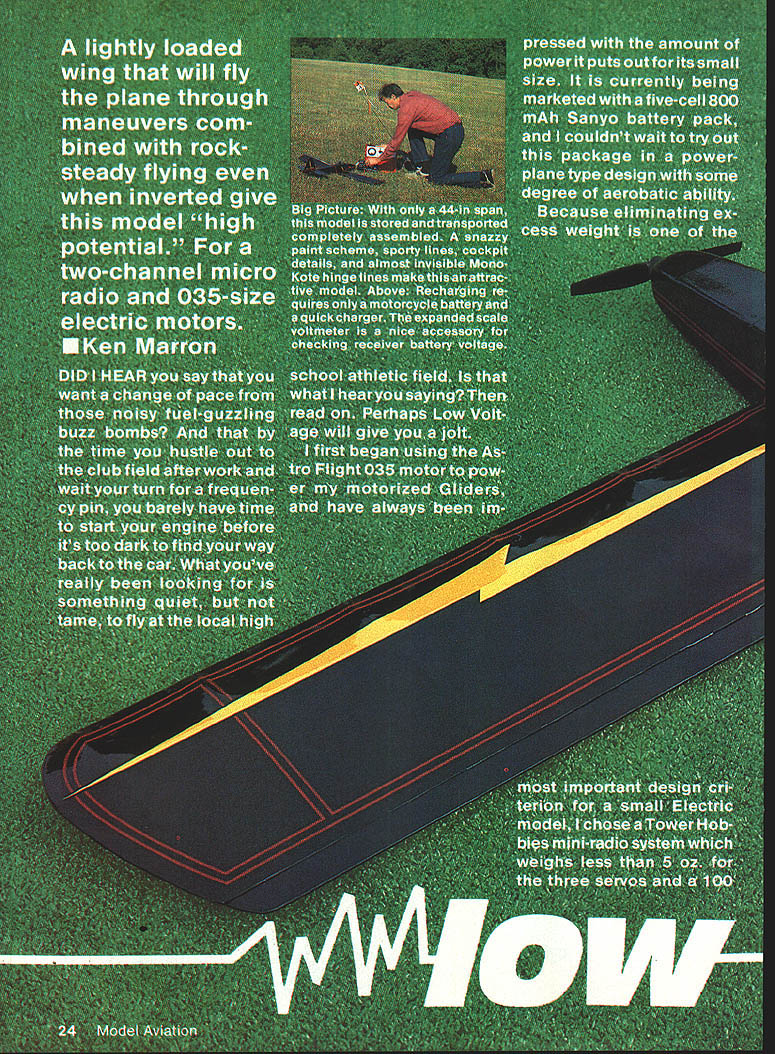
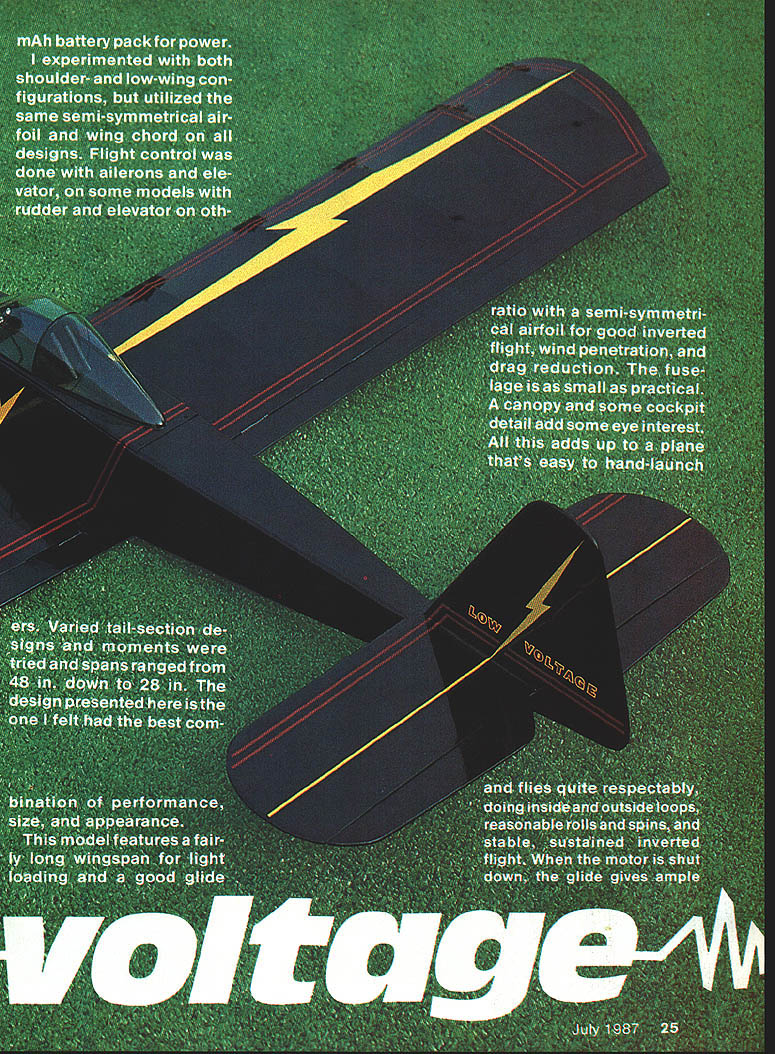
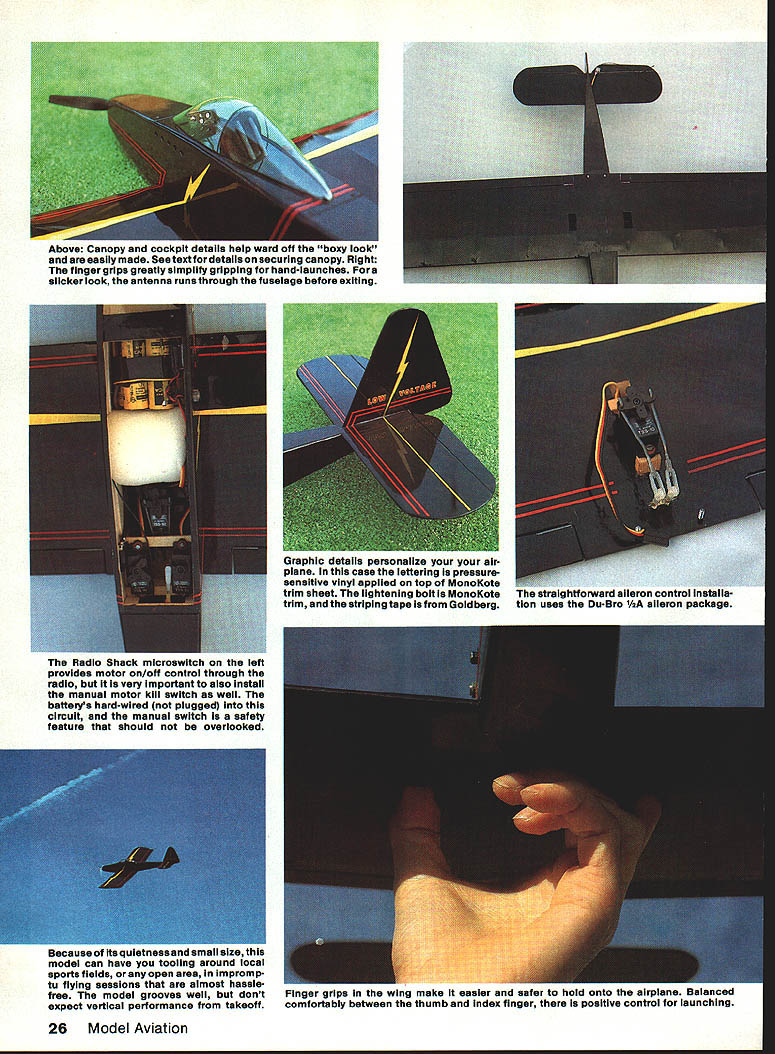
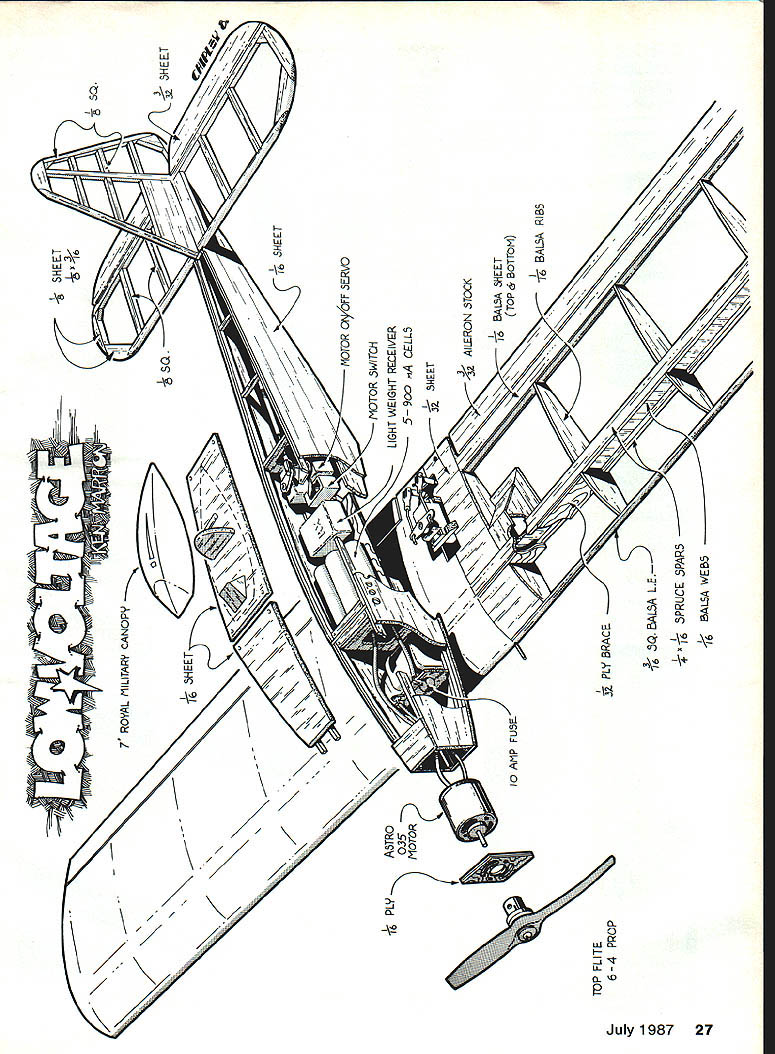
Low Voltage
Before leaving the subject of potentially hazardous chemicals, I want to mention two that have seemingly similar names but have very different properties. These are methyl ethyl ketone (MEK) and methyl ethyl ketone peroxide (MEKP). MEK is a solvent commonly used to join styrene plastic models. Chemically it is closely related to acetone, which, in addition to being another model glue, used to be used as the principal non-petroleum additive to remove residues from paint remover. A recent letter claimed that the writer had been forced to allow MEK to come in contact with his skin, and since this readily absorbed into one’s system and will stay there for some time, it makes one more vulnerable to its effects upon contact with the eyeball. It is this latter aspect which leads me to believe that he is confusing MEK with MEKP.
Methyl ethyl ketone peroxide (MEKP) is responsible for many accidents, and extreme care is essential when handling it. A proper respirator will be essential to its use, and ordinary latex gloves are hazardous because they offer no protection. The greatest hazard is posed by its extreme heat sensitivity that may cause it to self-decompose under heat or impact, and it should never anywhere near the eye hazard by those who confuse MEKP. If the target is hazardous to you, then you may bring in MEK, into lasting hazards present a fusel. Similarly, you may not aware that MEK presents a real threat.
Cyanonacrylate (CyA) glues have also been considered worthy of mention in three letters. In two cases, wives believed that a mere drop of CyA in a cut or band would result in blindness. This was not so. A drop of CyA in the eye may well cause your eyelids to become stuck together and most likely will be very uncomfortable. But it’s not likely that it will result in any permanent damage. However, I would urge you to take precautions against getting any in your eye.
One of these days, if I ever find the time, I would like to list all the various chemicals we modelers use, together with any associated hazards and handling precautions. Meanwhile, I urge you all to take care.
Transcribed from original scans by OpenAI. Minor OCR errors may remain.
Transcribed from original scans by AI. Minor OCR errors may remain.

