
Radio Control: Old Timers
Dee B. Mathews
History
In the very early days of engine-powered free flight, pioneers such as Frank Ehling, Maxwell Bassett, and Joe Koval actually entered and competed in rubber-endurance events with gas-engine-powered models. Rules were quickly changed to place Brown and Loutrel (later GHQ)-powered models in their own special category.
The earliest rules involved little restriction: unlimited motor runs and flights timed until the model was out of sight (OOS). Ehling reported a flight last sighted by a Douglas mail plane over Lake Erie 4 hours 35 minutes after launch. The inevitable lost-model problem soon led pioneers to recognize the need for limitations on engine runs. The earliest limited-run rules used a fuel allotment based on model weight.
Texaco donated a trophy to the GMAA (one of the AMA’s predecessors) to be used as a perpetual award to the winner of the National Championship’s limited-engine-run event. That trophy fell into disuse as newer rules came into vogue and was discarded due to lack of storage. With the advent of the SAM movement and renewed interest in Texaco as a free-flight event, a reproduction of the Texaco Trophy was made.
RC Texaco and rules
Current RC Texaco rules (as commonly flown)
- Fuel allowance: 1/4 ounce of fuel per pound of model weight, with a 1.5 oz maximum.
- Some local contests further reduce the allotment (e.g., to 1/8 oz per pound).
- Eligible designs (under SAM rules): those published or kitted prior to 1939.
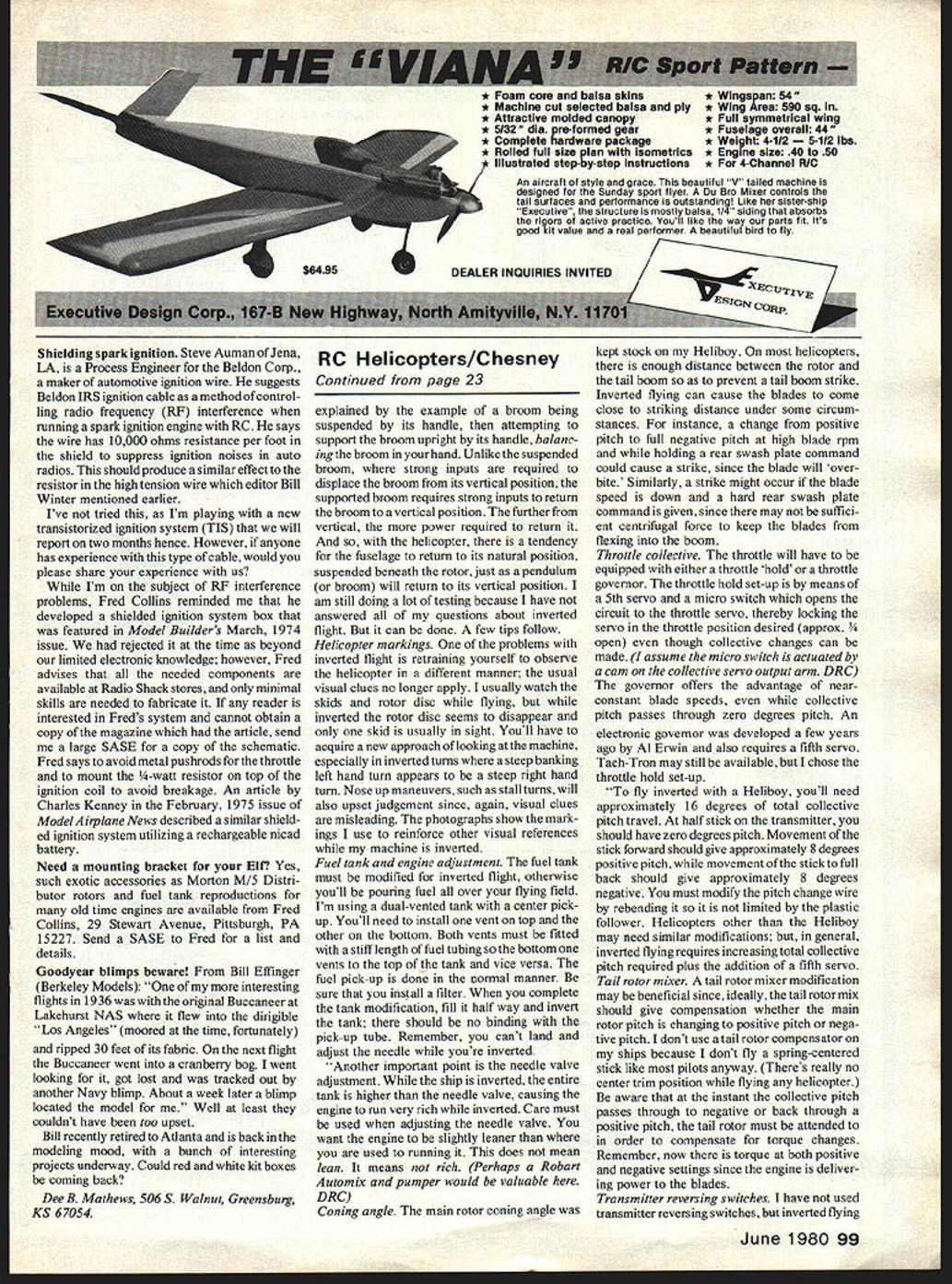
- Typical dominating designs: Lanzo "Record Breaker," "Dallaire," Ehling "Contest Winner," and Shereshaw "Cumulus."
- Several competitors have enlarged these designs to 12–14 foot spans and used chainsaw engines for power.
Despite the long flight times (winning times frequently exceed one hour), the inconvenience and expense of very large models have encouraged experimentation with smaller variants.
1/4A Texaco
Origins and early contests
- SAM 49 (Los Angeles) and other West Coast chapters have experimented with 1/4A Texaco to avoid the transport, storage, and cost problems of huge models.
- First contest for the concept: Taft, CA, Dec. 5, 1979 (part of the 49ers’ annual). Don Bekins won with a 36 in., eleven-ounce "Thermal Thumber" that flew 12 minutes.
Typical entries and status
- Models being prepared for SAM 30’s 1/4A Texaco events included: Jack Alton’s "Reduced Playboy," Ted Kafer’s "Ehling," John Pond’s "Triangle," and Charley Critch’s "Dallaire."
- As presently structured, 1/4A Texaco is a low-pressure, minimal-rule event:
- Models must use Cox reed-valve engines.
- Fuel quantity is limited only by how much fuel the contestant can squeeze into the standard integral tank.
- No limits have been placed on size, weight, or area of eligible designs.
Possible future limits under consideration
- West Coast chapters are considering additional constraints, for example:
- A minimum weight of 8 ounces per square foot.
- Restricting eligibility to Texaco-eligible designs only.
- Further minor rule modifications are likely as experience grows.
Design and performance considerations
Recommended model size and power
- SAM 49 experience suggests a lightly built model 36 to 46 inches in span, powered by either a Black Widow or QRC engine.
- Weight gain on models this size is critical: a one-ounce increase can represent an 8%–10% weight increase.
Equipment and construction trade-offs
- There is an opportunity to use existing flight packs rather than "micro" systems if structural weight is carefully controlled.
- Conversely, saving 2–3 ounces in dead weight allows micro-equipment users more latitude and makes installation easier in the cramped fuselages of these models.
Environmental and operational issues
- High-altitude flying (e.g., 2,000 ft) can make these relatively large 1/4A models climb very slowly compared with sea level conditions.
- Typical wind velocities (the author’s area considers 10 knots as "calm") can cause models to drift out of sight quickly. Recommended countermeasures:
- Bright colors
- Reflective Mylar
- Good visual spotting techniques
Engines and fuel efficiency
- Current rules do not expressly prohibit Davis Diesel conversions of Cox engines; such diesels could add a meaningful fuel-efficiency factor to the event.
- Note: proposed rule changes (see SAM section below) address vintage spark-ignition engines and would not necessarily alter the status of conversions.
Kits, plans, and published designs
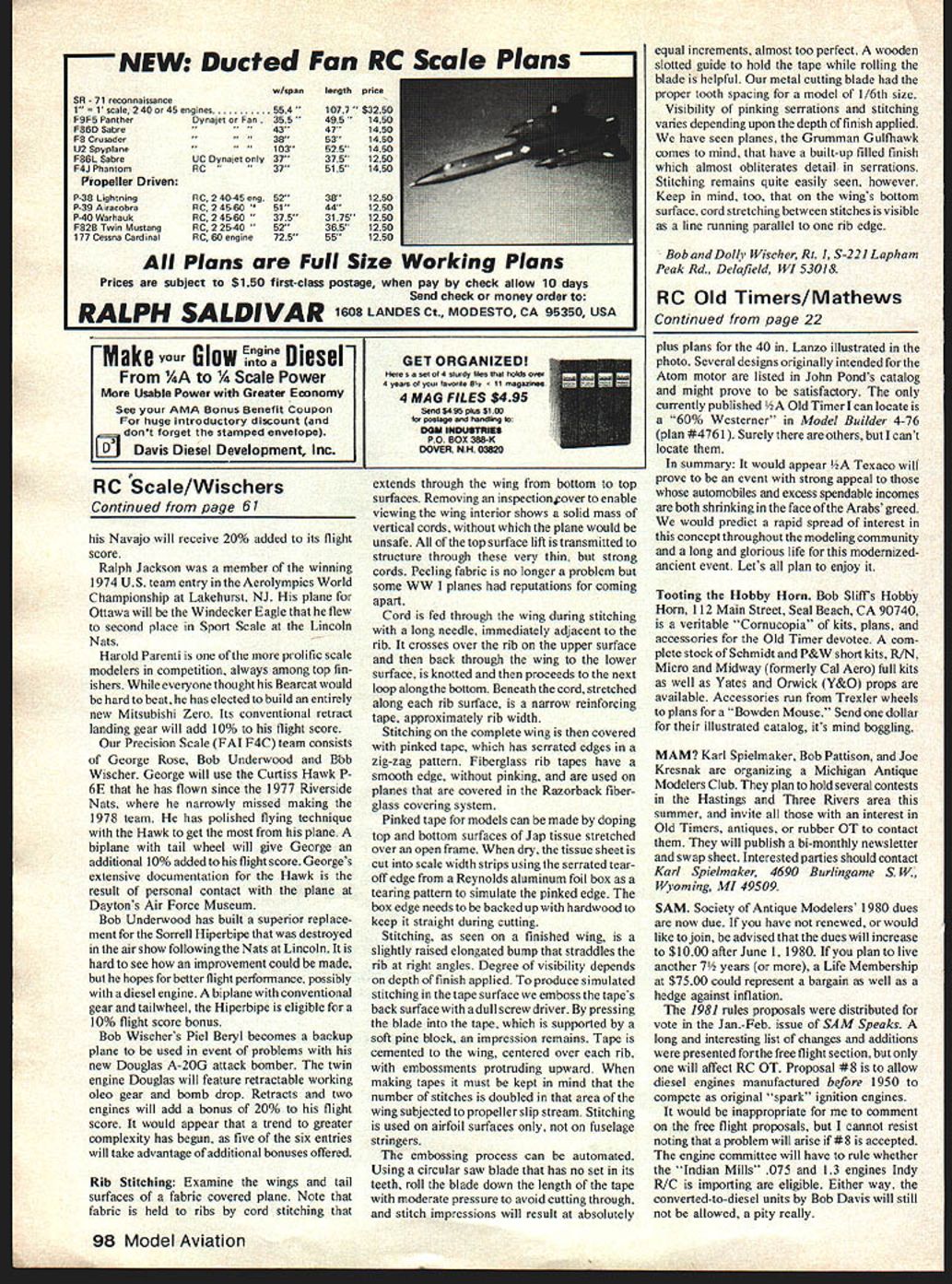
- RN Models’ "Simplex" (a Paul Plecan design) is a currently available kit suitable for 1/4A Texaco; Hobby Horn stocks this kit.
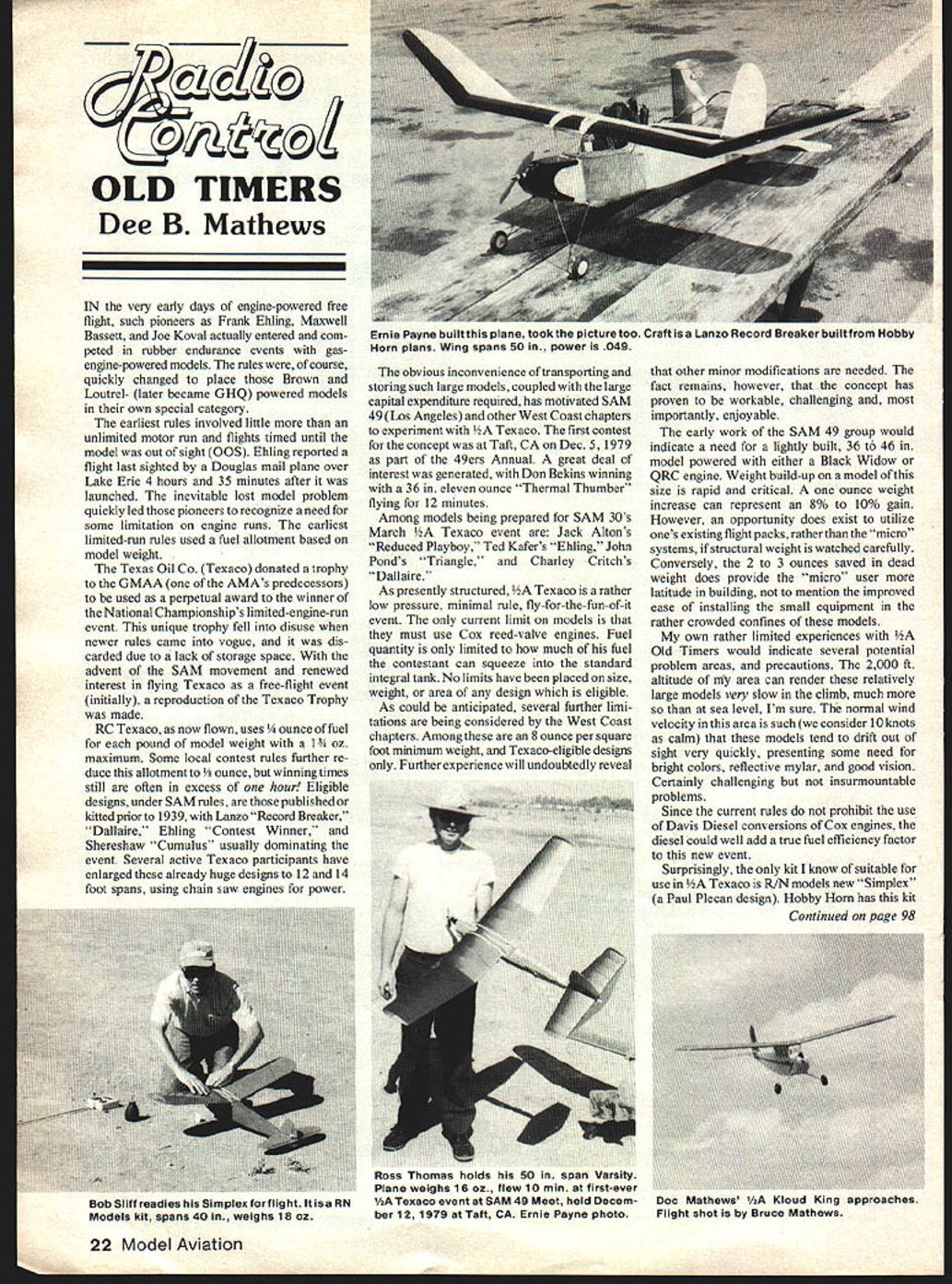
- Hobby Horn also has plans for the 40 in. Lanzo illustrated in the photo.
- Several designs originally intended for the Atom motor are listed in John Pond’s catalog and may be satisfactory.
- A published 1/4A Old Timer noted: a "60% Westerner" plan in Model Builder 4-76 (plan #4761).
Notices
Tooting the Hobby Horn
Bob Sliff’s Hobby Horn 112 Main Street, Seal Beach, CA 90740
- A wide stock of kits, plans, and accessories for the Old Timer devotee.
- Complete stock of Schmidt and P&W short kits, R/N, Micro and Midway (formerly Cal Aero) full kits, Yates and Orwick (Y&O) props.
- Accessories from Trexler wheels to plans for a "Bowden Mouse."
- Send $1 for their illustrated catalog.
MAM (Michigan Antique Modelers)
- Karl Spielmaker, Bob Pattison, and Joe Kresnak are organizing the Michigan Antique Modelers Club.
- Plans: several contests in the Hastings and Three Rivers area this summer; a bi-monthly newsletter and swap sheet.
- Contact: Karl Spielmaker, 4690 Burlingame S.W., Wyoming, MI 49509.
SAM (Society of Antique Modelers)
- 1980 dues are now due. Dues will increase to $10.00 after June 1, 1980.
- Life membership: $75.00.
- 1981 rules proposals were distributed for vote in the Jan.–Feb. issue of SAM Speaks.
- One proposal (Proposal #8) would allow engines manufactured before 1950 to compete as original spark-ignition engines.
- If accepted, certain older imported R/C engines (e.g., Indian Mills .075 and 1.3) could be eligible as original spark-ignition engines.
- The author notes that, regardless of that proposal’s outcome, converted-to-diesel units (such as those by Bob Davis) may still be treated separately under the rules.
Transcribed from original scans by AI. Minor OCR errors may remain.

