
Radio Technique
George M. Myers
THE MAN says it's time to talk about charging batteries again, so here goes! I'll try to put in a few new items, just so we won't bore those who have heard it all before. It should be obvious that people who use the charger that came with the RC system, according to the instruction packed in the box, really don't need any additional information. So where's the problem?
There are two basic types of problems. The first type is impatience. We forget to charge our batteries until we're ready to go flying, so we decide that we need a "Quick", "Fast" or "Rapid" charger. Then we buy one and worry if we have done the right thing.
Or, we buy a flight pack with batteries rated differently than the pack which came with the system, and we need some way to know whether or not, or how, to charge them with our system charger. Corollary to this situation, we need a new charger so we can charge everything at once.
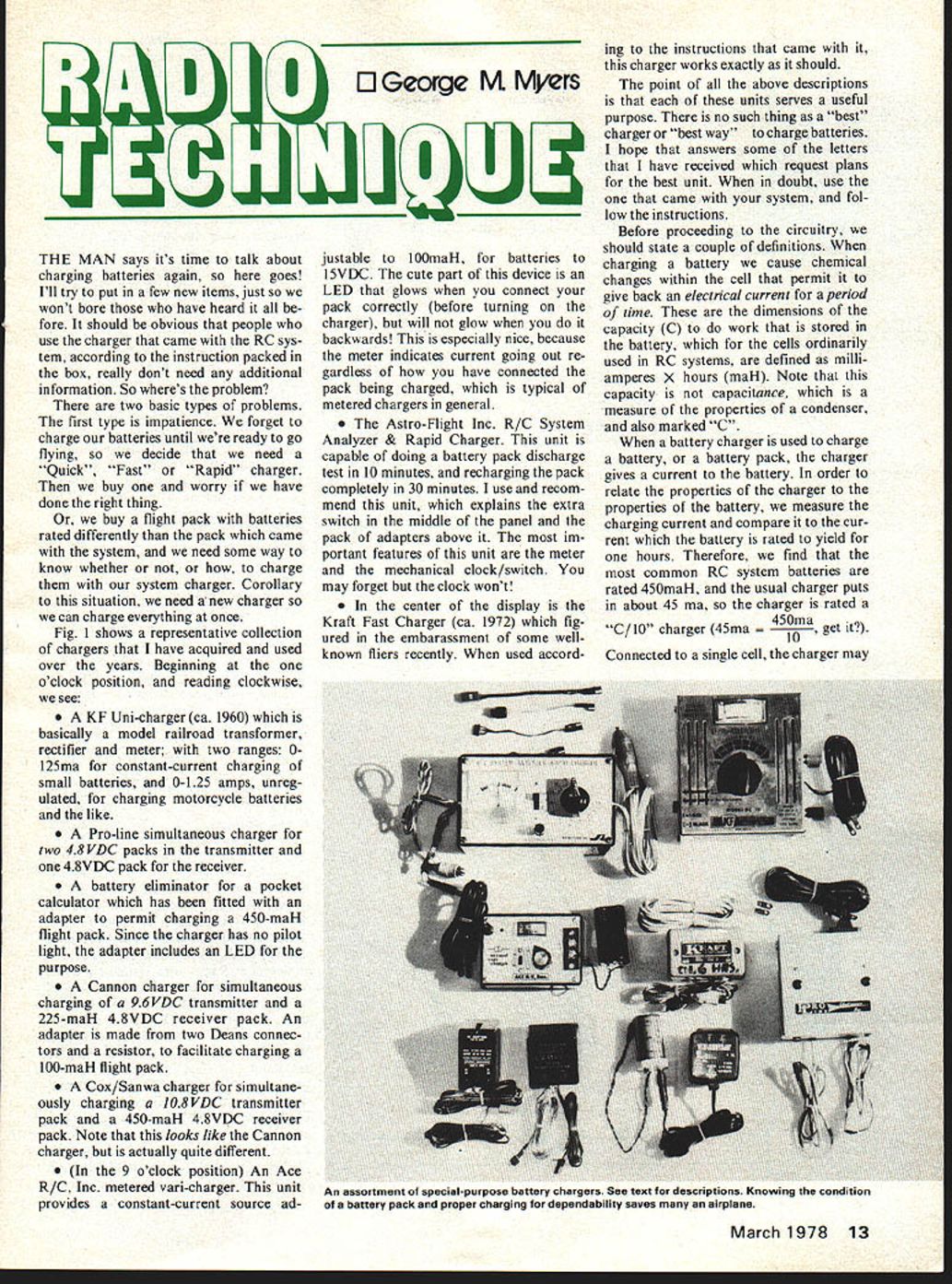
Fig. 1 shows a representative collection of chargers that I have acquired and used over the years. Beginning at the one o'clock position, and reading clockwise, we see:
- A KF Uni-charger (ca. 1960) which is basically a model railroad transformer, rectifier and meter; with two ranges: 0-125ma for constant-current charging of small batteries, and 0-1.25 amps, unregulated, for charging motorcycle batteries and the like.
- A Pro-line simultaneous charger for two 4.8 VDC packs in the transmitter and one 4.8 VDC pack for the receiver.
- A battery eliminator for a pocket calculator which has been fitted with an adapter to permit charging a 450-maH flight pack. Since the charger has no pilot light, the adapter includes an LED for the purpose.
- A Cannon charger for simultaneous charging of a 9.6 VDC transmitter and a 225-maH 4.8 VDC receiver pack. An adapter is made from two Deans connectors and a resistor, to facilitate charging a 100-maH flight pack.
- A Cox/Sanwa charger for simultaneously charging a 10.8 VDC transmitter pack and a 450-maH 4.8 VDC receiver pack. Note that this looks like the Cannon charger, but is actually quite different.
- (In the 9 o'clock position) An Ace R/C, Inc. metered vari-charger. This unit provides a constant-current source adjustable to 100maH, for batteries to 15 VDC. The cute part of this device is an LED that glows when you connect your pack correctly (before turning on the charger), but will not glow when you do it backwards! This is especially nice, because the meter indicates current going out regardless of how you have connected the pack being charged, which is typical of metered chargers in general.
- The Astro-Flight Inc. R/C System Analyzer & Rapid Charger. This unit is capable of doing a battery pack discharge test in 10 minutes, and recharging the pack completely in 30 minutes. I use and recommend this unit, which explains the extra switch in the middle of the panel and the pack of adapters above it. The most important features of this unit are the meter and the mechanical clock/switch. You may forget but the clock won't!
- In the center of the display is the Kraft Fast Charger (ca. 1972) which figured in the embarrassment of some well-known fliers recently. When used according to the instructions that came with it, this charger works exactly as it should.
The point of all the above descriptions is that each of these units serves a useful purpose. There is no such thing as a "best" charger or "best way" to charge batteries. I hope that answers some of the letters that I have received which request plans for the best unit. When in doubt, use the one that came with your system, and follow the instructions.
Before proceeding to the circuitry, we should state a couple of definitions. When charging a battery we cause chemical changes within the cell that permit it to give back an electrical current for a period of time. These are the dimensions of the capacity (C) to do work that is stored in the battery, which for the cells ordinarily used in RC systems, are defined as milliamperes X hours (mAH). Note that this capacity is not capacitance, which is a measure of the properties of a condenser, and also marked "C".
When a battery charger is used to charge a battery, or a battery pack, the charger gives a current to the battery. In order to relate the properties of the charger to the properties of the battery, we measure the charging current and compare it to the current which the battery is rated to yield for one hour. Therefore, we find that the most common RC system batteries are rated 450mAH, and the usual charger puts in about 45 ma, so the charger is rated a "C/10" charger (45ma = 450ma/10, get it?).
Connected to a single cell, the charger may yield an entirely different current, say 150 ma, and for that situation the charger would be rated a C/3 charger, because it would be putting in 1/3 of a full charge in one hour.
The materials used to construct nickel-cadmium cells are the same for all manufacturers, and one of the properties of cell chemistry is that, during charging, the cell liberates oxygen gas. When a discharged cell is being charged, the chemistry can take care of the gas as fast as it forms. However, when the cell is fully charged and is being driven into an overcharged condition, the charging rate becomes very important. At a C/10 rate, the cell can tolerate a lot of overcharging, usually 200% or more. Therefore, we customarily call for a 50% overcharge, and most manufacturers call for 14 to 16 hours of charging. If you forget to disconnect, you've got at least another day to remember. C/10 charging is tolerant of mistakes.
Not so for C/3 charging. In this case, the chemistry can't keep up, so gas pressure within the cell rises. If overcharging continues to 100%, the pressure gets high enough to open a vent in the cell, and the gas escapes, taking with it some of the cell's original capacity. Repeated overcharging at a C/3 rate can damage the cell, so we need an automatic shutoff, and some way to know what state of charge we start with. One way to operate with a Fast charger is to always discharge the cells to the 1.1 volts per cell level before Fast charging. Then we can put back 120% of the rated charge and be reasonably certain of having fully charged the cell.
Higher rates of charging, up to 10C, are possible, but the sensitivity to overcharging, and the penalties for neglect, become much more serious. At a 10C rate the overcharged cell may actually explode! High-rate charging is no worse than C/10 charging, but it is less tolerant of error.
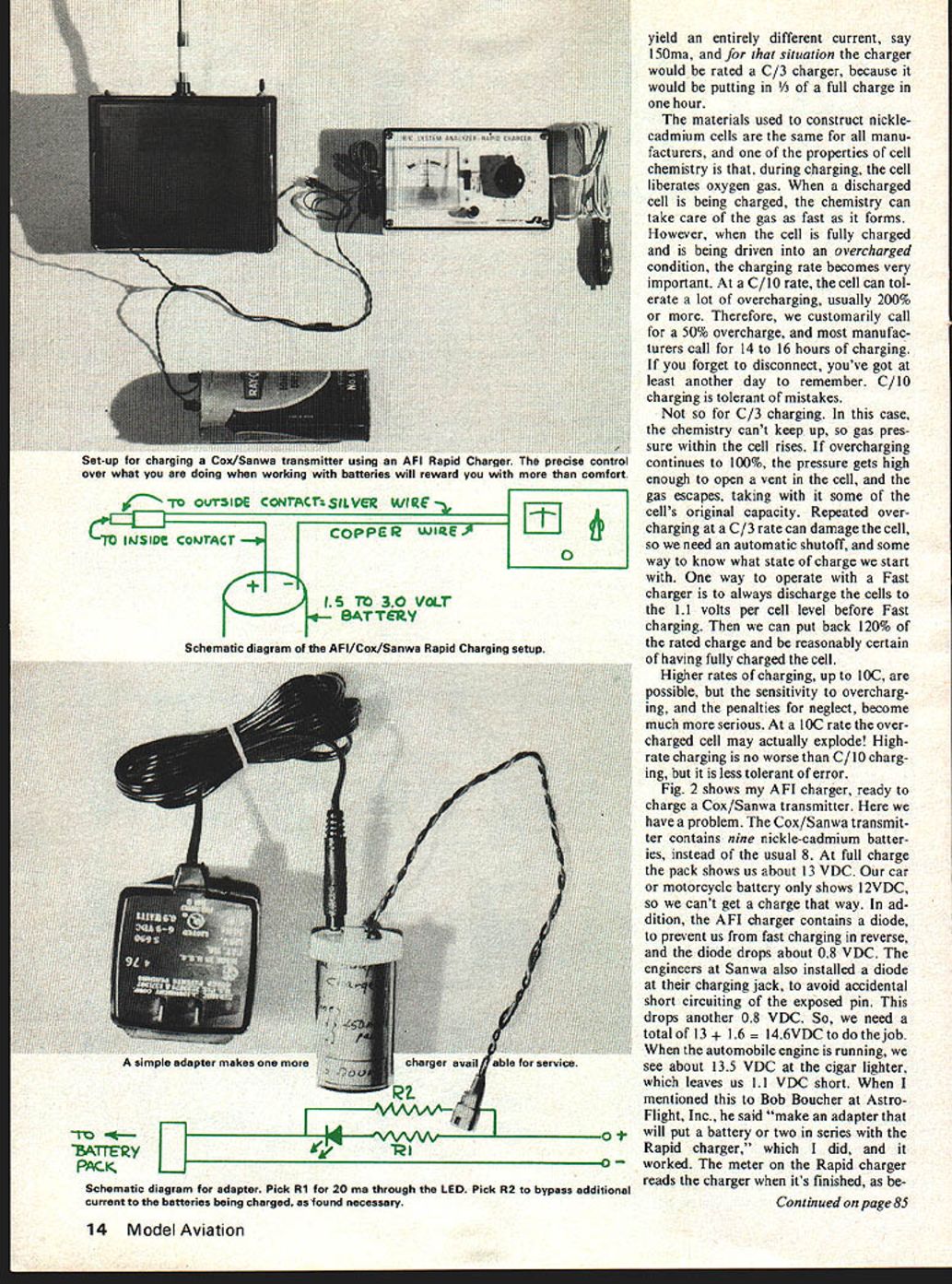
Fig. 2 shows my AFI charger, ready to charge a Cox/Sanwa transmitter. Here we have a problem. The Cox/Sanwa transmitter contains nine nickel-cadmium batteries, instead of the usual 8. At full charge the pack shows us about 13 VDC. Our car or motorcycle battery only shows 12 VDC, so we can't get a charge that way. In addition, the AFI charger contains a diode, to prevent us from fast charging in reverse, and the diode drops about 0.8 VDC. The engineers at Sanwa also installed a diode at their charging jack, to avoid accidental short circuiting of the exposed pin. This drops another 0.8 VDC. So, we need a total of 13 + 1.6 = 14.6 VDC to do the job. When the automobile engine is running, we see about 13.5 VDC at the cigar lighter, which leaves us 1.1 VDC short. When I mentioned this to Bob Boucher at Astro-Flight, Inc., he said "make an adapter that will put a battery or two in series with the Rapid charger," which I did, and it worked. The meter on the Rapid charger reads the charger when it's finished, as before. Before proceeding to the circuitry I should state a couple of definitions. Charging a battery causes chemical changes within the cell which permit it to give back electrical current for a period of time. The dimension of capacity (C) — the work stored in battery cells ordinarily used in R/C systems — is defined as milliampere-hours (mAh). Note: capacity is not the same as capacitance, the property of a condenser which is also marked C.
A battery charger used to charge a battery or battery pack gives current to the battery. In order to relate properties of a charger to properties of a battery we measure the charging current and compare the current to the battery's rated yield in hours. Therefore, if common R/C system batteries are rated 450 mAh, a usual charger that puts out about 45 mA would be a C/10 charger. A charger that puts out 45 mA is referred to as C/10 because it will, ideally, give a full charge in ten hours.
Materials used to construct nickel-cadmium cells vary with manufacturers, and the chemistry of the cell during charging causes the cell to liberate oxygen gas. A discharged cell being charged can take care of the evolved gas; however, a cell that is fully charged and is being overcharged becomes critical. At high charging rates the overcharged cell may actually vent or be damaged. The C/10 rate is a conservative rate most cells can tolerate without trouble.
When charging at higher rates you must be more careful. Fast charging demands that the pack be in good condition, that connections are correct, and that the charger has suitable safety features (such as diodes to prevent reverse discharge). Many of the rapid chargers have means to limit current and to indicate charge state by time, by voltage behavior, or by temperature, and these features should be used.
Connected single-cell chargers may yield an entirely different current than that shown on the charger nameplate because of wiring, adapters, and the condition of the source. For example, an adapter that adds resistance or additional cells in series will change the effective current. Always measure the actual charging current with an ammeter and compare it to the battery rating so you know the actual C-rate being applied.
A simple, safe bench charger for single cells and small packs can be built using a transformer, rectifier, a current-limiting resistor or regulator, and an ammeter. The idea is to set the desired charging current and to monitor the pack during charge. Because the end-of-charge voltage change (the delta-V) for NiCd cells can be subtle, many hobbyists prefer timed charging at a safe C/10 rate unless they have a charger that accurately detects end-of-charge conditions.
Storage and maintenance are also important. NiCd packs should be stored partially charged; deep discharge prior to storage is unnecessary. Periodically discharge and recharge the pack to correct cell imbalance. If a cell shows very low capacity compared to the others it should be replaced.
I brought out a separate lead for one charging adapter I built, though you may prefer an adapter assembly. The important thing to remember when using an external battery with the Rapid charger is that the positive lead from the Rapid charger must connect to the negative terminal of the external battery (see Fig. 3).
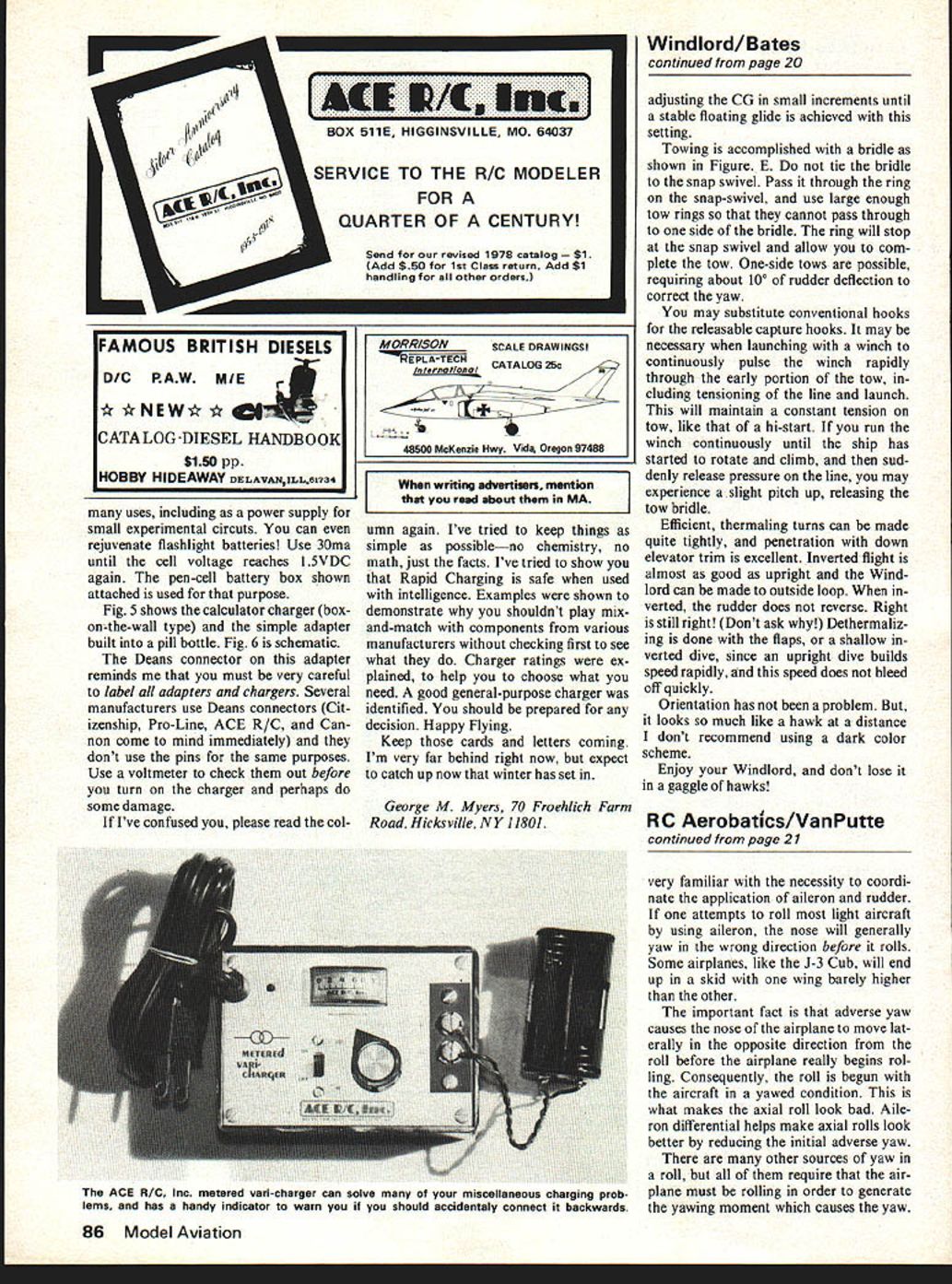
Fig. 4 gives a close look at the metered vari-charger available as a kit from ACE R/C, Inc., Box 511, Higginsville, MO 64037. My son Tom (14 years old) built it in about an hour. This unit provides selectable charge rates and an ammeter so you can set and monitor the charge current to match the pack being charged.
That about wraps up this installment. Next month I'll cover trickle charging, charger selection for larger packs, and a few simple circuits you can build to make charging safer and more reliable. many uses, including as a power supply for small experimental circuits. You can even rejuvenate flashlight batteries! Use 30ma until the cell voltage reaches 1.5VDC again. The pen-cell battery box shown attached is used for that purpose.
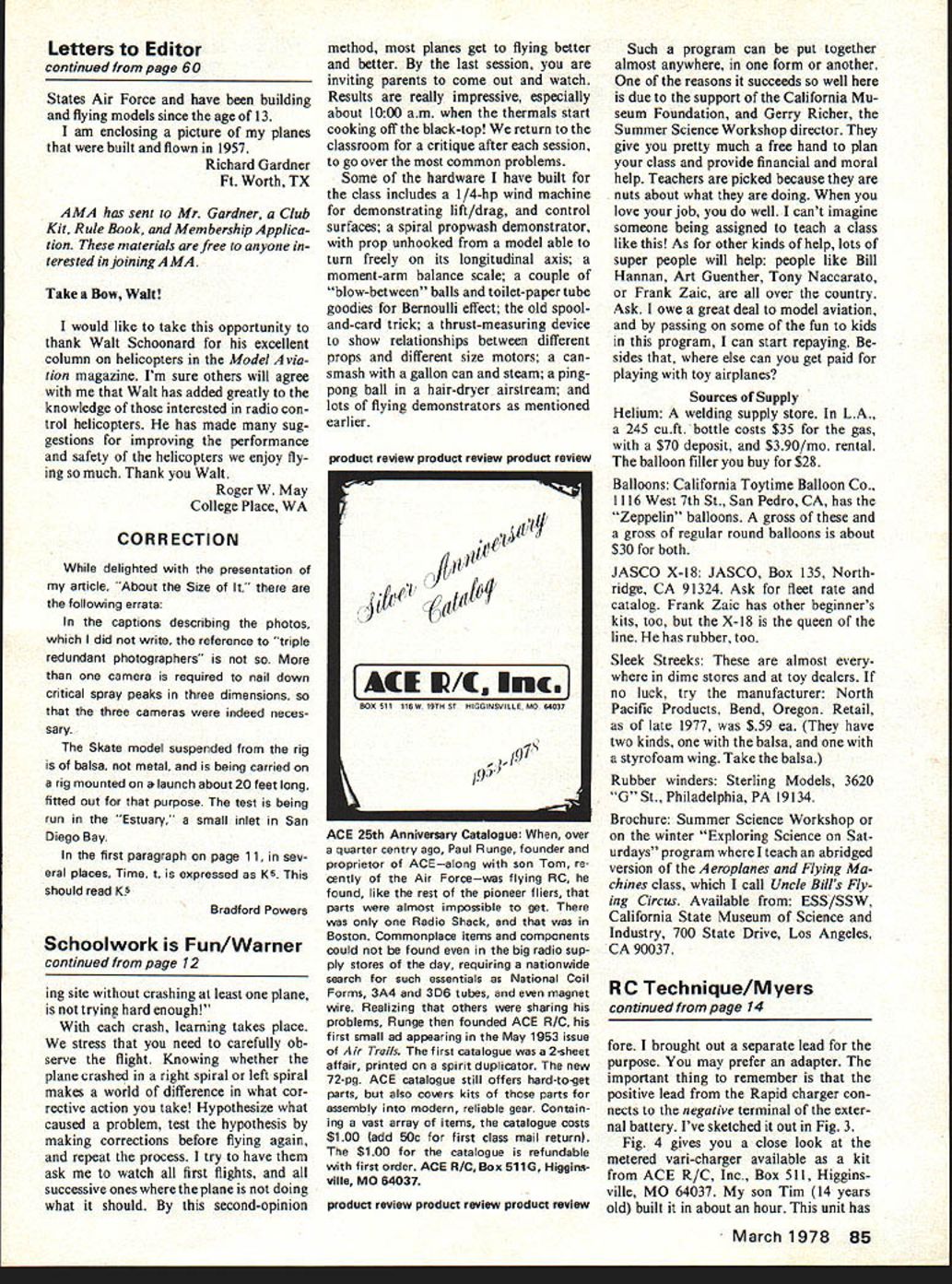
Fig. 5 shows the calculator charger (box-on-the-wall type) and the simple adapter built into a pill bottle. Fig. 6 is schematic.
The Deans connector on this adapter reminds me that you must be very careful to label all adapters and chargers. Several manufacturers use Deans connectors (Citizenship, Pro-Line, ACE R/C, and Cannon come to mind immediately) and they don't use the pins for the same purposes. Use a voltmeter to check them out before you turn on the charger and perhaps do some damage.
If I've confused you, please read the column again. I've tried to keep things as simple as possible—no chemistry, no math, just the facts. I've tried to show you that Rapid Charging is safe when used with intelligence. Examples were shown to demonstrate why you shouldn't play mix-and-match with components from various manufacturers without checking first to see what they do. Charger ratings were explained, to help you choose what you need. A good general-purpose charger was identified. You should be prepared for any decision. Happy Flying.
Keep those cards and letters coming. I'm very far behind right now, but expect to catch up now that winter has set in.
George M. Myers, 70 Froehlich Farm Road, Hicksville, NY 11801.
Transcribed from original scans by AI. Minor OCR errors may remain.

